What Role Do Antioxidants Play in Blood Pressure Control?
Table of Contents
Understanding Antioxidants
Antioxidants are compounds that help neutralize harmful molecules called free radicals, which can damage cells and lead to various diseases. They are found in many foods, especially fruits, vegetables, and other plant-based sources. By fighting oxidative stress, antioxidants support overall health and may play a role in reducing the risk of chronic conditions. Understanding how they work is the first step in understanding their role in blood pressure control.
The body naturally produces free radicals as a byproduct of normal cellular processes, but external factors like pollution, UV radiation, and unhealthy diets can increase their levels. This imbalance between free radicals and antioxidants can contribute to inflammation and oxidative damage, potentially affecting blood pressure regulation and cardiovascular health. This is where the connection between antioxidants and blood pressure control begins.
Some well-known antioxidants include vitamins C and E, beta-carotene, and selenium. Each antioxidant has a unique way of protecting cells and tissues from oxidative stress. Consuming a variety of antioxidant-rich foods is important to ensure you get a broad spectrum of these beneficial compounds to support your health.
In addition to their role in combating oxidative stress, antioxidants also help support the immune system and contribute to healthy skin, eyes, and cognitive function. Incorporating a diverse range of antioxidant sources into your diet can provide a multitude of health benefits beyond just blood pressure control.
It's essential to understand that antioxidants work in synergy with each other, meaning that a combination of different antioxidants is often more effective than any single antioxidant alone. This is why consuming a colorful array of fruits and vegetables is recommended to maximize the benefits of these powerful compounds.
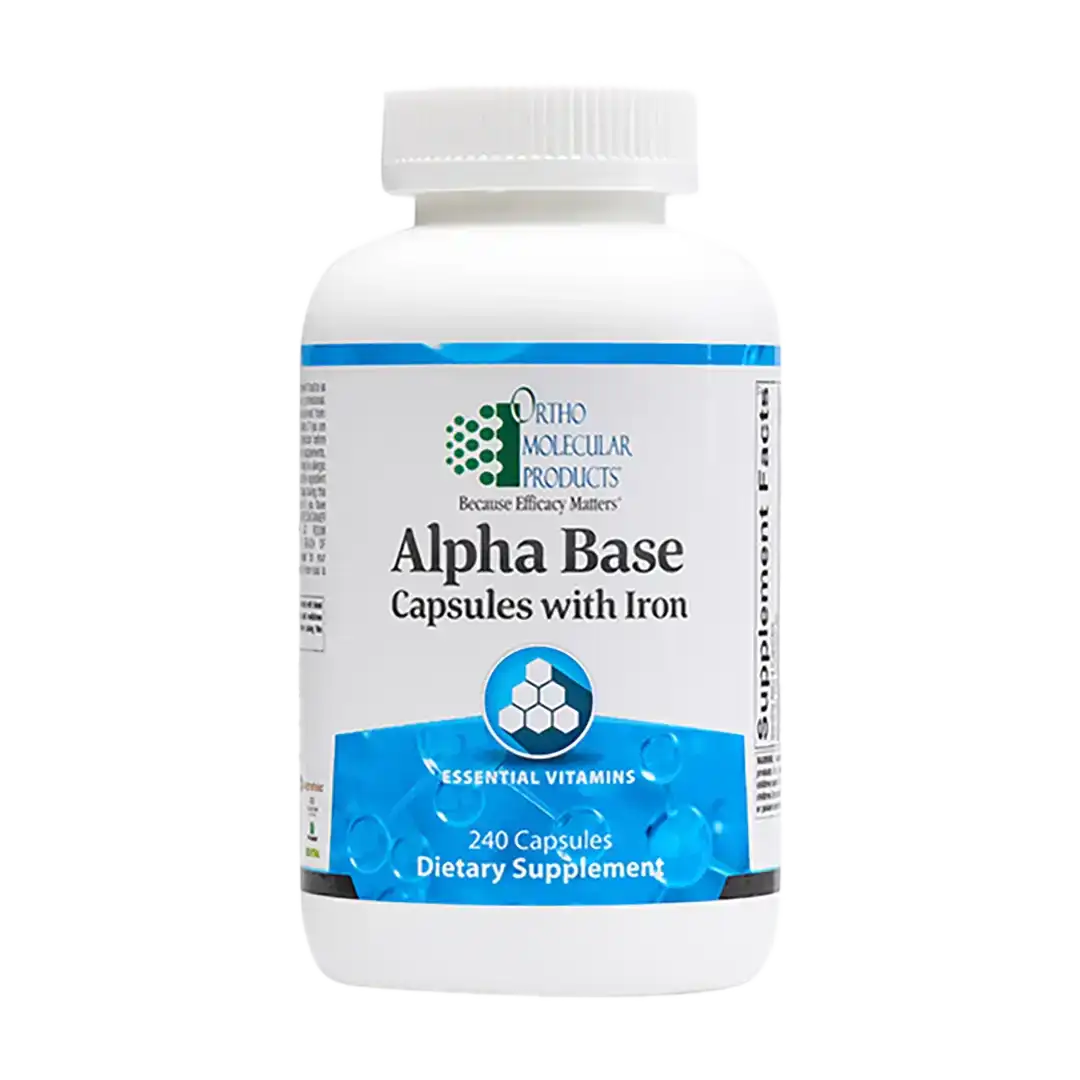
Vitamin C with bioflavonoids. If you're reading about antioxidants and blood pressure control, vitamin C is usually the first nutrient you'll see mentioned, and it works best alongside the flavonoids found in citrus. Vitamin C with Bioflavonoids by Vital Nutrients provides 1,000 mg of pure ascorbic acid and 500 mg of citrus bioflavonoid complex per 2-capsule serving to support antioxidant protection, immune function and healthy blood vessel integrity. Vital Nutrients suggests 1–2 capsules, 2–4 times daily with food; if you're pregnant, check with your physician first.
Vitamin C w/Bioflavonoids
$24.99
Vital Nutrients Vitamin C with Bioflavonoids – Immune & Antioxidant Support Vital Nutrients Vitamin C with Bioflavonoids is a high-potency supplement designed to support the… Click here to read more

The Link Between Antioxidants and Blood Pressure
Research on antioxidants and blood pressure control suggests that oxidative stress and inflammation play a significant role in the development of high blood pressure, also known as hypertension. Antioxidants help combat these processes by neutralizing free radicals and reducing the overall oxidative burden on the body.
In particular, studies have shown that antioxidants like vitamin C, vitamin E, and flavonoids help maintain healthy blood pressure levels by improving blood vessel function, reducing inflammation, and promoting relaxation of the blood vessels. These effects can lead to better blood flow and lower resistance in the arteries, ultimately supporting healthy blood pressure levels.
Furthermore, researchers are studying how certain antioxidants interact with the hormones and compounds the body uses to regulate blood pressure, which is another way they help maintain healthy blood pressure levels.
It's important to note that while antioxidants show promise in supporting blood pressure control, they are not a standalone solution. A balanced diet, regular physical activity, maintaining a healthy weight, managing stress, and avoiding smoking are all essential factors in managing blood pressure effectively.
By incorporating antioxidant-rich foods into a well-rounded lifestyle approach to blood pressure management, individuals can harness the power of these compounds to complement other healthy habits and support overall cardiovascular wellness.
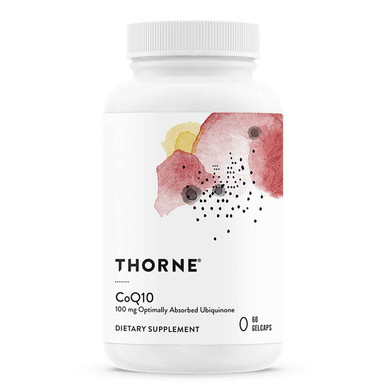
CoQ10 for heart and antioxidant support. Coenzyme Q10 is another antioxidant that often comes up in conversations about heart health and blood pressure control, because the heart relies on it for cellular energy. CoQ10 by Thorne provides 100 mg of highly absorbable coenzyme Q10 per gelcap to support cellular energy, heart health, normal vascular function and healthy blood pressure balance, along with the body's natural antioxidant defenses. Thorne suggests 1–2 gelcaps per day; it contains soy-derived ingredients, and if you're pregnant, check with your healthcare provider first.
CoQ10 60 gelcaps
$53.00
CoQ10 60 Gelcaps by Thorne – Advanced Coenzyme Q10 Supplement for Heart Health and Cellular Energy CoQ10 60 Gelcaps by Thorne delivers a clinically trusted… Click here to read more
Best Food Sources of Antioxidants for Blood Pressure
When it comes to blood pressure control, food is the best place to start. Aiming to include a variety of antioxidant-rich foods in your diet can help ensure you're getting a wide range of beneficial compounds that support your overall health, including your blood pressure. Some of the best food sources of antioxidants include colorful fruits like berries, citrus fruits, and cherries.
Vegetables such as leafy greens, bell peppers, and tomatoes are also excellent sources of antioxidants like vitamin C, beta-carotene, and lycopene. Nuts and seeds, particularly almonds, walnuts, and flaxseeds, provide essential antioxidants like vitamin E and selenium that play a role in cardiovascular health.
Incorporating antioxidant-rich herbs and spices like turmeric, cinnamon, and oregano into your cooking can not only enhance the flavor of your meals but also boost their antioxidant content. Green tea and dark chocolate are other enjoyable sources of antioxidants.
By diversifying your diet to include a rainbow of antioxidant-rich foods, you can create delicious and nutritious meals that support your body's natural defense systems and promote optimal blood pressure regulation. Remember to prioritize whole, minimally processed foods for the best antioxidant intake.
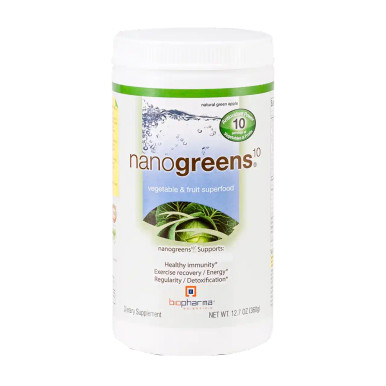
A daily greens and berry blend. Many of the foods recommended for heart-healthy eating and blood pressure control, such as berries, leafy greens and green tea, show up together in a good greens powder, which can help on days when you can't fit in a full rainbow of produce. NanoGreens10 by Biopharma Scientific combines organic greens, a fruit and vegetable blend, green and white tea extracts, grape seed, blueberry and pomegranate, plus 160 mg of quercetin/rutin and 70 mg of resveratrol-rich Polygonum cuspidatum in each 12 g scoop for broad antioxidant support. Mix one scoop with 6–8 oz of cold water, juice or milk, and refrigerate after opening.
NanoGreens10 360g (12.7oz) Green Apple
$69.99
NanoGreens10® Green Apple Superfood Powder – Antioxidant & Detox Support by Biopharma Scientific NanoGreens10® Green Apple by Biopharma Scientific is a comprehensive green superfood powder… Click here to read more
Incorporating Antioxidant-Rich Foods into Your Diet
Making small but impactful changes to your eating habits can help you put what you know about antioxidants and blood pressure control into practice. Start by adding a variety of colorful fruits and vegetables to each meal and snack, aiming to fill half your plate with these nutritious options.
Experiment with different cooking methods, such as steaming, roasting, or raw preparations, to retain the highest amount of antioxidants in your foods. Include a handful of nuts or seeds as a snack, sprinkle antioxidant-rich herbs on your dishes, and choose dark chocolate with a high cocoa content for a satisfying treat.
Try to include at least one antioxidant-rich food in each meal, whether it's a handful of berries on your cereal, a side of sautéed spinach with garlic, or a cup of green tea with lemon in the afternoon. Small, consistent changes can add up to significant improvements in your overall antioxidant intake.
Remember to stay hydrated by drinking plenty of water throughout the day, as proper hydration is essential for the optimal function of antioxidants in your body. By creating a balanced and varied diet that prioritizes antioxidant-rich foods, you can support your blood pressure and overall well-being in the long term.
In summary, the link between antioxidants and blood pressure control comes down to this: antioxidants help maintain healthy blood pressure levels by helping combat oxidative stress, inflammation, and supporting overall cardiovascular health. By incorporating a colorful array of antioxidant sources into your diet and adopting a healthy lifestyle, you can harness the power of these compounds to optimize your well-being.
These statements have not been evaluated by the Food and Drug Administration. This product is not intended to diagnose, treat, cure, or prevent any disease.