Vitamins: Boosting Immunity and Overall Well-being
Table of Contents
- Importance of child vitamins
- Key nutrients in child vitamins
- How child vitamins boost immunity
- Enhancing overall well-being with child vitamins
- Choosing the right child vitamins
- Dosage recommendations for child vitamins
- Risks associated with child vitamins
- Incorporating child vitamins into daily routine
- Creating a balanced diet with child vitamins
- Conclusion: Nurturing health with child vitamins
- FAQs
Importance of child vitamins
Child vitamins play a crucial role in enhancing your child's immune system and overall well-being. They provide essential nutrients that help strengthen your child's defenses against illnesses and support their growth and development. Vitamins such as A, C, D, and E are particularly important for boosting immunity and ensuring proper functioning of various bodily systems. By incorporating a balanced diet rich in these vitamins, you can better equip your child to fight off infections and promote their overall health.
Key nutrients in child vitamins
Child vitamins are essential for boosting immunity and maintaining overall well-being in children. Some key nutrients commonly found in child vitamins include Vitamin C, which helps in fighting infections and promoting healthy skin, Vitamin D to support strong bones and teeth, Iron for proper growth and development, and Omega-3 fatty acids for brain health. Additionally, child vitamins may also contain Zinc, an essential mineral for immune function and Probiotics to support a healthy gut. It's important to choose child vitamins that provide a balanced mix of these nutrients to support your child's health.
How child vitamins boost immunity
Child vitamins play a crucial role in boosting your child's immunity. By providing essential nutrients like vitamin C, vitamin D, zinc, and probiotics, child vitamins support the immune system to help fight off infections and keep your child healthy. Vitamin C helps in the production of white blood cells, which are key in fighting infections, while vitamin D boosts the immune system and reduces the risk of respiratory infections. Zinc is crucial for the development and function of immune cells, and probiotics support the gut, where a large portion of the immune system resides. By ensuring your child gets these vital nutrients through vitamins, you can help strengthen their immune system and promote overall well-being.
A probiotic made for kids. Because so much of the immune system sits in the gut, a children's probiotic is a practical place to start. Ther-Biotic Kid's Chewable by SFI Health is a cherry-flavored chewable for children 2 years and older. Each tablet provides 25 billion CFU from eight Lactobacillus and Bifidobacterium species in a chicory-root inulin base, to support healthy digestion and normal immune function. It's made without common allergens or synthetic colors, and it needs to be kept in the refrigerator.
Ther-Biotic Kid's Chewable 60t (F)
$54.99
Ther-Biotic® Kid's (Children's Chewable) by SFI Health – Children’s Probiotic Support Ther-Biotic® Kid's (Children's Chewable) by SFI Health is a broad-spectrum children’s probiotic designed for… Click here to read more

Enhancing overall well-being with child vitamins
Child vitamins play a vital role in enhancing overall well-being by providing essential nutrients that support a child's growth and immune system. Vitamins, such as vitamin C and vitamin D, are crucial for strengthening the immune system and helping the body fight off infections. Child vitamins also help in the development of strong bones, teeth, and muscles, ensuring the child's overall health and vitality. Incorporating child vitamins into a daily routine can be a simple yet effective way to boost a child's immunity and support their overall well-being.
Choosing the right child vitamins
Choosing the right child vitamins is important for their immunity and overall well-being. When selecting vitamins for your child, consider the following factors:
- Age-appropriate Formulas: Look for vitamins specifically designed for children's age groups, as they require different nutrient levels at various stages of growth.
- Essential Nutrients: Ensure the vitamins contain essential nutrients like vitamin C, D, and zinc, which are crucial for boosting immunity and supporting overall health.
- Taste and Texture: Opt for vitamins that your child enjoys consuming to make it easier for them to take regularly.
- Trusted Brands: Choose reputable brands that manufacture high-quality child vitamins and have a good track record of safety and effectiveness.
By paying attention to these factors, you can select the right child vitamins to support your child's immune system and well-being.
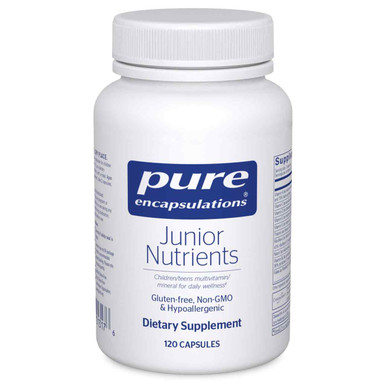
An age-appropriate multivitamin. Junior Nutrients by Pure Encapsulations is a children's multivitamin that covers the nutrients above in one daily serving, including vitamin C (137 mg), vitamin D3 (400 IU) and zinc (7.5 mg), along with activated B vitamins and selenium. It's formulated to support healthy growth, bone health and immune function, and it's made without artificial additives. The label suggests 2 capsules daily with a meal for ages 4 to 13, so it suits kids who can swallow capsules.
Junior Nutrients 120c
$31.50
Junior Nutrients – Comprehensive Multi-Vitamin for Children by Pure Encapsulations (120 Capsules) Junior Nutrients by Pure Encapsulations is a premium multi-vitamin for children formulated to… Click here to read more
Dosage recommendations for child vitamins
It's important to follow the recommended dosage of child vitamins to ensure they are safe and effective for your little ones. The dosage of child vitamins can vary depending on the age of the child. Here are some general guidelines to keep in mind:
- Children between 1-3 years old typically require about 600 IU of vitamin D daily.
- For children aged 4-8 years old, the recommended daily amount of vitamin D is 600 IU.
- Children from 9-18 years old also need about 600 IU of vitamin D per day.
Always consult with your child's healthcare provider before starting any new supplements to ensure you are giving them the right amount for their age and health needs.
Risks associated with child vitamins
Too many vitamins can be harmful to children, causing an overdose of certain nutrients. Excessive vitamin A intake can lead to toxicity symptoms like nausea, hair loss, and joint pain. High doses of Vitamin D can cause nausea and vomiting and may lead to kidney problems. Consult with a healthcare provider before giving your child any supplements to avoid these risks.
Incorporating child vitamins into daily routine
Child vitamins are essential for boosting your child's immunity and overall well-being. Incorporating them into your child's daily routine can help ensure they receive the necessary nutrients needed for healthy growth and development. Child vitamins come in various forms, including gummies, chewable tablets, and liquids, making it easier for children to take them. Consulting with a pediatrician can help you determine the right vitamins for your child based on their age, diet, and health needs.
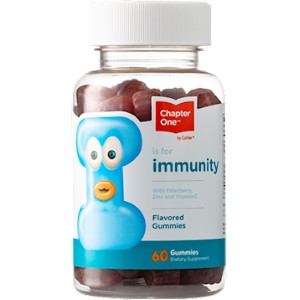
A once-a-day gummy. For kids who won't take capsules, I is for Immunity Gummies by Chapter One combine vitamin C (45 mg), zinc (3.7 mg) and black elderberry (50 mg) in a single gummy. Chapter One suggests one gummy daily. Each gummy has 2 g of added sugar, and it's made without artificial colors, flavors or preservatives and free of peanuts, tree nuts, dairy, gluten, soy and eggs. Because gummies look and taste like candy, store them out of your child's reach.
I is for Immunity Gummies 60ct
$29.99
I is for Immunity Gummies 60ct by Chapter One Chapter One's Immunity Gummies are an effective way to help support the body's natural immune system.… Click here to read more
Creating a balanced diet with child vitamins
Child vitamins play a crucial role in boosting immunity and overall well-being. Including a variety of fruits, vegetables, whole grains, and lean proteins in your child's diet is essential to ensure they receive the necessary nutrients. Here are some tips to help you create a balanced diet with child vitamins:
- Choose a multivitamin specifically formulated for children to fill any nutrient gaps.
- Incorporate vitamin-rich foods such as citrus fruits, leafy greens, dairy products, and lean meats.
- Ensure your child gets enough vitamin D by exposing them to sunlight or providing vitamin D-fortified foods.
- Limit sugar and processed foods that can reduce the absorption of essential vitamins.
- Encourage your child to drink plenty of water to help with nutrient absorption and overall health.
Conclusion: Nurturing health with child vitamins
In conclusion, providing your child with the right vitamins can significantly boost their immunity and overall well-being. Child vitamins play a crucial role in ensuring that your little one stays healthy and strong. By incorporating nutrient-rich supplements into their daily routine, you are helping support their immune system and promote optimal growth and development. Remember, always consult with your child's healthcare provider before starting any new vitamin regimen to ensure they are getting the proper dosage for their age and needs.
These statements have not been evaluated by the Food and Drug Administration. This product is not intended to diagnose, treat, cure, or prevent any disease.