The Connection Between GI Health and Overall Wellness
Table of Contents
Understanding the Gut-Brain Axis
Good GI health starts with the gut-brain axis, a complex bi-directional communication system between the gastrointestinal tract and the brain. This intricate network involves hormonal, neural, and immune pathways that play a crucial role in maintaining overall health. At the core of this connection is the enteric nervous system, often referred to as the 'second brain,' which regulates digestive processes independently of the central nervous system. Research has shown that disruptions in the gut-brain axis can impact mood, cognition, and even contribute to conditions such as irritable bowel syndrome and anxiety disorders.
When it comes to GI health, the gut-brain axis serves as a vital link that influences not only digestion but also our mental and emotional well-being. Stress, dietary choices, and lifestyle factors can significantly affect this axis, leading to either a harmonious balance or disturbances that manifest in gastrointestinal symptoms or altered mental states. Understanding the intricate interplay between the gut and brain is essential in promoting optimal overall health and well-being.
Maintaining a healthy gut contributes to a strengthened gut-brain axis, fostering better communication between these two vital systems. Factors such as consuming a diet rich in fiber, managing stress levels effectively, and incorporating probiotics can enhance the integrity of the gut lining and support the diverse microbiota that inhabit the intestines. By nurturing a resilient gut environment, individuals can positively influence their mental clarity, emotional stability, and overall quality of life.
The Role of Microbiota in GI Health
The trillions of microorganisms that reside in the gastrointestinal tract, collectively known as the gut microbiota, play a pivotal role in supporting GI health and overall wellness. These diverse communities of bacteria, fungi, and viruses contribute to digestion, immune function, and the synthesis of essential nutrients. A balanced microbiota is essential for maintaining a healthy gut environment and preventing the proliferation of harmful pathogens that can disrupt digestive processes.
The composition of the gut microbiota is influenced by various factors, including diet, lifestyle, and environmental exposures. Diets high in processed foods and sugar can alter the balance of gut bacteria, leading to dysbiosis, a condition associated with inflammation and GI disorders. On the other hand, consuming a diverse range of plant-based foods, fermented products, and prebiotics can promote a thriving microbial community that supports optimal gastrointestinal function.
Research has highlighted the impact of gut dysbiosis on systemic health, linking an imbalance in the microbiota to conditions such as obesity, autoimmune diseases, and mental health disorders. By prioritizing the maintenance of a healthy gut microbiota through dietary interventions and lifestyle modifications, individuals can nurture their GI health and bolster their overall well-being.
Nutrition Strategies for a Healthy Gut
Optimal nutrition plays a fundamental role in supporting a healthy gut and promoting overall wellness. The foods we consume not only provide essential nutrients for bodily functions but also influence the composition and function of the gut microbiota. Incorporating a variety of nutrient-dense foods, such as fruits, vegetables, whole grains, and lean proteins, can help maintain a balanced gut environment and support digestive health.
Certain dietary components, such as fiber, polyphenols, and omega-3 fatty acids, have been shown to have a positive impact on GI health. Fiber-rich foods aid in digestion and promote the growth of beneficial gut bacteria, while polyphenols act as antioxidants that reduce inflammation and support gut barrier function. Omega-3 fatty acids, found in fish and nuts, have anti-inflammatory properties that can help alleviate symptoms of conditions like irritable bowel syndrome.
Furthermore, practicing mindful eating habits, such as chewing food thoroughly, eating slowly, and being attuned to hunger and satiety cues, can enhance the digestive process and optimize nutrient absorption. By prioritizing a well-rounded and nutrient-rich diet, individuals can nurture their gut health, improve gastrointestinal function, and elevate their overall quality of life.
Digestive enzyme support. If heavier meals tend to leave you feeling bloated, enzymes can help your body break food down more completely. Digestive Enzymes Ultra by Pure Encapsulations is a broad-spectrum, plant-based blend that includes protease, amylase, lipase, lactase and cellulase. It supports the digestion of proteins, carbohydrates, fats, fiber and dairy, helps ease occasional gas and bloating after meals, and supports nutrient absorption.
Digestive Enzymes Ultra
$38.00
Digestive Enzymes Ultra by Pure Encapsulations Pure Encapsulations Digestive Enzymes Ultra is a powerful, broad-spectrum formula designed to support the breakdown of proteins, carbohydrates, fats, fibers,… Click here to read more

Exploring the Impact of Stress on Digestion
Stress is a common factor that can significantly impact digestive health and exacerbate gastrointestinal symptoms. When the body experiences stress, whether physical or emotional, it triggers a cascade of physiological responses, including the release of stress hormones like cortisol and adrenaline. These hormones can disrupt digestive processes by reducing blood flow to the gut, altering gut motility, and increasing gut permeability.
Chronic stress has been linked to a variety of digestive disorders, such as irritable bowel syndrome, acid reflux, and inflammatory bowel disease. The gut-brain axis plays a central role in mediating the effects of stress on digestion, highlighting the importance of managing stress levels for optimal GI health. Incorporating stress-reducing practices like mindfulness meditation, deep breathing exercises, and regular physical activity can help mitigate the negative impact of stress on the gastrointestinal system.
In addition to psychological stress, lifestyle factors such as poor sleep quality and inadequate physical activity can also contribute to gastrointestinal disturbances. By addressing stressors through relaxation techniques, establishing healthy sleep patterns, and engaging in regular exercise, individuals can better support their digestive function and promote GI well-being.
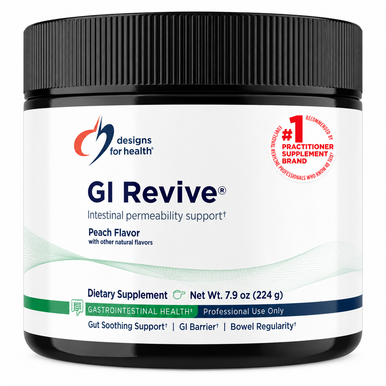
Gut lining support. Because stress can affect gut permeability, nourishing the intestinal lining is a practical step. GI Revive Powder by Designs for Health combines L-glutamine, N-acetyl-D-glucosamine, zinc L-carnosine and mucin with soothing botanicals such as aloe vera, slippery elm and marshmallow. It is formulated to support intestinal barrier integrity, digestive comfort, bowel regularity and a healthy inflammatory response in the gut.
GI Revive Powder 225g
$89.49
GI Revive® Powder by Designs for Health – Gut Barrier & Digestive Support GI Revive® Powder by Designs for Health is a comprehensive gut health… Click here to read more
Exercise and Gut Health: Making the Connection
Physical activity plays a crucial role in maintaining optimal gut health and supporting digestive function. Regular exercise has been shown to have a positive impact on gut motility, reducing the risk of constipation and promoting regular bowel movements. Exercise also helps modulate the composition of the gut microbiota, increasing the abundance of beneficial bacteria that contribute to GI health.
Both aerobic and resistance training have been associated with improvements in gastrointestinal symptoms, such as bloating, gas, and abdominal discomfort. The anti-inflammatory effects of exercise can help alleviate gut inflammation and reduce the risk of conditions like inflammatory bowel disease. Moreover, physical activity is essential for overall well-being, promoting mental clarity, emotional resilience, and a healthy body composition.
Incorporating a mix of cardiovascular workouts, strength training, and flexibility exercises into your routine can enhance gut motility, support a diverse gut microbiota, and improve gastrointestinal transit time. By making exercise a consistent part of your lifestyle, you can strengthen the gut-brain axis, optimize digestion, and enhance your overall quality of life.
Sleep Quality and Its Influence on Gut Function
Quality sleep is essential for maintaining optimal gut function and supporting overall digestive health. During sleep, the body undergoes important restorative processes that impact various systems, including the gastrointestinal system. Disruptions in the sleep-wake cycle can lead to alterations in gut microbiota composition, increased intestinal permeability, and changes in appetite-regulating hormones.
Studies have shown that inadequate sleep is associated with an imbalance in gut bacteria, heightened inflammation in the gut, and an elevated risk of GI disorders. The circadian rhythm, which regulates sleep-wake cycles, also influences the daily fluctuations in gut microbial activity, emphasizing the interconnected nature of sleep and gut health. Prioritizing good sleep hygiene practices, such as maintaining a consistent sleep schedule, creating a relaxing bedtime routine, and optimizing sleep environment, can positively impact gut function.
By prioritizing restful sleep, individuals can support the symbiotic relationship between sleep quality and gut health. Adequate sleep not only aids in the repair and regeneration of digestive tissues but also promotes the balance of gut microbiota and enhances overall gut function. Incorporating strategies to improve sleep quality can have profound effects on GI health, mental well-being, and overall vitality.
Probiotics and their Impact on Digestive Well-being
Probiotics, live beneficial bacteria that confer health benefits when consumed in adequate amounts, have gained recognition for their positive impact on digestive well-being. These microorganisms play a crucial role in maintaining gut health by restoring microbial balance, enhancing gut barrier function, and modulating immune responses within the intestines. By populating the gut with beneficial bacteria, probiotics can support digestion, nutrient absorption, and immune function.
Clinical studies have demonstrated the efficacy of probiotics in managing various gastrointestinal conditions, such as diarrhea, irritable bowel syndrome, and inflammatory bowel disease. Probiotic supplements and fermented foods, like yogurt, kimchi, and kefir, are rich sources of beneficial bacteria that can help replenish and diversify the gut microbiota. Incorporating probiotics into your daily routine can promote a healthy gut environment and alleviate digestive discomfort.
It is important to note that not all probiotic strains are created equal, and the effectiveness of probiotic supplementation may vary based on individual needs and health conditions. Consulting a healthcare provider or a registered dietitian can help determine the most suitable probiotic strains and products to address specific digestive concerns and enhance overall gut health. By harnessing the benefits of probiotics, individuals can take proactive steps to optimize their digestive well-being and support long-term GI health.
Daily probiotic support. Ortho Biotic by Ortho Molecular Products is a shelf-stable probiotic that pairs Lactobacillus and Bifidobacterium strains with Saccharomyces boulardii. It supports a balanced gut microbiome, healthy secretory IgA for gut immune function, regularity and nutrient absorption, and it needs no refrigeration.
Ortho Biotic
$39.40
Ortho Molecular Ortho Biotic – Daily Probiotic for Gut Health and Immunity Support Ortho Molecular Ortho Biotic is a professional-grade probiotic formula designed to support… Click here to read more