Can Diet Affect Your Hormonal Balance?
Table of Contents
Understanding Hormones and Their Role
Hormones are the body's chemical messengers, regulating various processes like metabolism, growth, and reproduction. They play a crucial role in maintaining overall health and well-being. Understanding how hormones function is key to comprehending how diet can impact hormonal balance.
These signaling molecules travel through the bloodstream, affecting tissues and organs. Hormones are produced by various glands like the thyroid, pancreas, and adrenal glands. Imbalances in hormone levels can lead to a range of health issues, from weight gain to mood swings.
The endocrine system, responsible for hormone production, is highly sensitive to internal and external factors. Stress, sleep, exercise, and nutrition all influence hormone levels. By focusing on diet, one can positively impact hormonal balance and overall health.
Essential hormones like insulin, cortisol, estrogen, and testosterone play vital roles in the body. Insulin regulates blood sugar levels, cortisol handles stress response, while estrogen and testosterone impact reproductive health. Diet can significantly influence the production and function of these hormones.
Impact of Diet on Hormone Levels
The food we consume acts as fuel for our bodies, providing the necessary nutrients for hormone synthesis and function. A diet high in processed sugars, unhealthy fats, and artificial additives can disrupt hormonal balance. On the other hand, a diet rich in whole foods, fruits, and vegetables can support optimal hormone levels.
Processed foods containing trans fats and high fructose corn syrup can lead to insulin resistance, disrupting blood sugar regulation. This imbalance not only affects energy levels but can also contribute to conditions like obesity and diabetes. Choosing whole, unprocessed foods is key to maintaining stable hormone levels.
Moreover, the quality of fats consumed can impact hormone production. Omega-3 fatty acids, found in fish and nuts, are essential for hormone synthesis. In contrast, an excess of saturated fats from processed meats can lead to inflammation and hormonal imbalances. A balanced diet ensures the body receives the right fats for optimal hormonal health.
Research indicates that diets high in refined carbohydrates can spike blood sugar levels, causing a surge in insulin production. This constant fluctuation in insulin can disrupt other hormones in the body, leading to metabolic complications. Maintaining a diet based on whole grains and complex carbohydrates helps stabilize hormone levels.
Certain dietary choices can impact cortisol levels, the primary stress hormone. Caffeine and sugar-laden beverages can stimulate cortisol release, contributing to heightened stress responses. By opting for herbal teas or calming drinks, one can mitigate excessive cortisol production, promoting a more balanced hormonal environment.
Key Hormones Affected by Diet
Insulin, known for its role in glucose metabolism, is heavily influenced by dietary factors. High sugar intake leads to insulin spikes, which over time can result in insulin resistance. Maintaining a diet low in added sugars can prevent insulin dysregulation and support overall metabolic health.
Estrogen, a crucial hormone for both men and women, can be affected by diet choices. Phytoestrogens, plant-based compounds found in soy and flaxseeds, can mimic estrogen in the body. Consuming these foods in moderation can help balance estrogen levels and reduce the risk of hormonal disruptions.
Testosterone levels in men can be influenced by zinc intake from foods like oysters, beef, and nuts. Zinc is essential for testosterone production and maintaining reproductive health. Including zinc-rich foods in the diet can support optimal testosterone levels and overall hormonal balance.
Proper thyroid function, crucial for metabolism regulation, depends on adequate iodine from sources like seaweed and iodized salt. A diet lacking in iodine can lead to thyroid imbalances and metabolic issues. Ensuring sufficient iodine intake through diet is key to supporting thyroid hormone synthesis.
How to Support Hormonal Balance Through Diet
Achieving hormonal balance through diet involves incorporating a variety of nutrient-dense foods. Opt for a colorful plate filled with vegetables, fruits, whole grains, lean proteins, and healthy fats. This diverse diet provides the body with essential nutrients for hormone production and regulation.
Balancing macronutrients like carbohydrates, proteins, and fats ensures a steady release of energy and stable blood sugar levels. Avoid extreme diets or restrictive eating habits that can disrupt hormone function. Consistency in meal timing and composition supports hormonal balance.
Including fiber-rich foods like legumes, whole grains, and vegetables aids in digestion and promotes gut health. A healthy gut microbiome is essential for absorbing nutrients and supporting overall hormonal balance. Focus on a diet that nourishes both the body and the gut.
Hydration is also crucial for hormone regulation. Drinking an adequate amount of water supports hormonal secretion and transport throughout the body. Limiting alcohol and sugary beverages in favor of water and herbal teas can contribute to a more balanced hormonal environment.
Supplements That Match These Nutrients
When it comes to hormonal balance, food comes first. But if your diet regularly runs short on the nutrients covered above, such as fatty fish, zinc-rich foods, iodine sources or fiber, a quality supplement can help fill the gap. Here are three professional-grade options that line up with the nutrients discussed in this article:
OmegaPure 780 EC by Xymogen is a concentrated fish oil for anyone who doesn't eat fatty fish regularly. Each fish-gelatin softgel provides 780 mg of EPA and DHA, the two omega-3 fatty acids found in fish. The softgels have an enteric coating, which is designed to dissolve in the intestine rather than the stomach.
OmegaPure 780 EC 120 sg
$60.99
OmegaPure 780 EC™ Fish Oil by Xymogen – Premium High-Potency EPA DHA Supplement OmegaPure 780 EC™ by Xymogen delivers a concentrated, enteric-coated fish oil supplement… Click here to read more

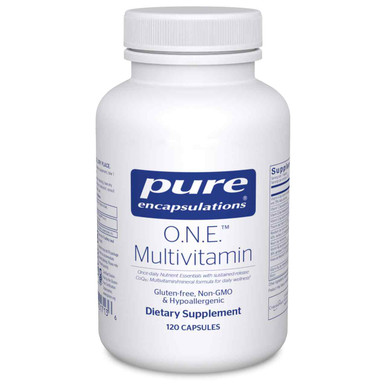
O.N.E. Multivitamin by Pure Encapsulations covers two of the minerals discussed above in a single daily capsule: 25 mg of zinc (as zinc citrate) and 150 mcg of iodine (as potassium iodide), along with vitamins A, B, C, D and E in highly absorbable forms. It's a simple way to back up a diet that's light on seafood, nuts or iodized salt.
O.N.E. Multivitamin
$25.00
O.N.E. Multivitamin by Pure Encapsulations Support your whole-body wellness with Pure Encapsulations O.N.E. Multivitamin, a high-quality, once-daily formula packed with essential vitamins, minerals, and antioxidants.… Click here to read more
FiberMend by Thorne is a fiber powder for anyone who has trouble getting enough fiber from legumes, whole grains and vegetables. Each scoop provides 8 g of partially hydrolyzed guar gum and 2.5 g of rice bran, along with apple pectin and arabinogalactan. It's unsweetened, flavorless and odorless, so it mixes easily into foods and beverages.
FiberMend 11.6oz
$45.00
FiberMend® by Thorne – Soluble Fiber Digestive Support FiberMend® by Thorne is a comprehensive digestive fiber supplement designed to support daily gut health, digestive regularity,… Click here to read more

Before adding any supplement, talk with your healthcare provider, especially if you take prescription medications, have a thyroid condition, or are pregnant or nursing.
In conclusion, diet plays a significant role in influencing hormonal balance. By making informed food choices and prioritizing nutrient-rich options, one can support optimal hormone function and overall well-being. Remember, small dietary changes can lead to substantial improvements in hormonal health.
These statements have not been evaluated by the Food and Drug Administration. This product is not intended to diagnose, treat, cure, or prevent any disease.
FAQs
What foods are good for balancing hormones?
Whole, minimally processed foods give your body the raw materials it uses to make hormones. That means plenty of vegetables and fruit, whole grains, legumes, lean protein, and healthy fats such as fatty fish, nuts and seeds. Fiber-rich foods also support a healthy gut, which helps your body absorb the nutrients it needs. A varied, colorful plate is a better strategy than focusing on any single "superfood."
What foods should I limit if I'm concerned about my hormones?
Added sugars, refined carbohydrates and heavily processed foods are the main ones to cut back on. They can cause sharp swings in blood sugar and insulin, which can ripple out to other hormones over time. Trans fats, large amounts of processed meat and sugary drinks are also worth limiting. Alcohol and excess caffeine can affect sleep and stress hormones, so moderation helps.
Does sugar affect hormone levels?
Yes. When you eat a lot of sugar or refined carbohydrates, blood sugar rises quickly and your pancreas releases insulin to bring it back down. Repeated spikes over time can make cells less responsive to insulin, a pattern known as insulin resistance. Because insulin interacts with other hormones in the body, keeping added sugars low and pairing carbohydrates with protein, fat and fiber helps keep things steadier.
How long does it take for diet changes to affect hormones?
It varies from person to person and from hormone to hormone. Blood sugar and insulin respond to what you eat within hours, so steadier meals can make a noticeable difference fairly quickly. Other changes, such as rebuilding nutrient stores or settling into new long-term eating patterns, tend to take weeks to months. Consistency matters more than perfection, and your healthcare provider can use lab work to track changes if you have specific concerns.
Can supplements replace a healthy diet for hormone health?
No. Supplements are meant to fill specific gaps, not stand in for a balanced diet. Food provides fiber, a wide range of nutrients and plant compounds that a capsule can't fully match. If your diet is low in fatty fish, zinc-rich foods, iodine sources or fiber, a quality supplement may help cover those nutrients. Talk with your healthcare provider before starting one, especially if you take medications.
Should I take iodine for my thyroid?
Most people get enough iodine from iodized salt, seafood, dairy and eggs, and more is not always better. Both too little and too much iodine can affect how the thyroid works. The recommended daily amount for most adults is 150 mcg, which is what many multivitamins provide. If you have a thyroid condition or take thyroid medication, check with your healthcare provider before taking an iodine supplement or a multivitamin that contains iodine.