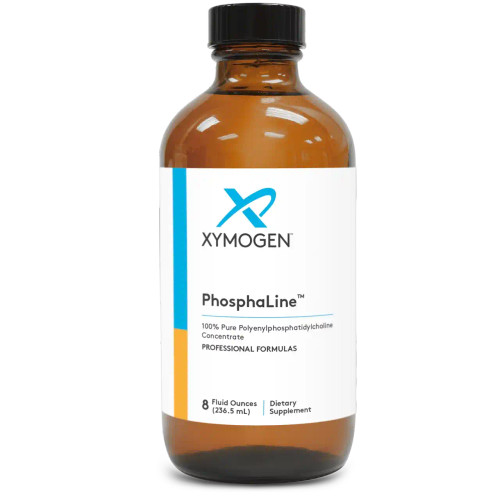


Phosphatidylcholine by Biotics Research – Cell Membrane Support
Phosphatidylcholine by Biotics Research supports normal cell membrane function and repair with a supplemental source of this important phospholipid. Designed for adults seeking targeted nutritional support, this formula complements a balanced diet and a practitioner-guided wellness routine. Phospholipids are structural components of the membranes surrounding cells throughout the body.
Each softgel contains 1,200 mg of lecithin supplying 420 mg of phosphatidylcholine. This phosphatidylcholine supplement offers a convenient way to support dietary phospholipid intake. Its soy-derived formula is gluten and dairy free, making ingredient review especially useful for shoppers with specific dietary preferences or sensitivities. :chatgpt-content-reference{index="0"}
Key Phosphatidylcholine Benefits
- Supports cell membrane health with a phospholipid naturally present in the membranes surrounding cells throughout the body.
- Helps maintain normal cellular membrane function and supports the ongoing processes involved in membrane maintenance and repair.
- Provides a supplemental source of choline, a nutrient involved in normal fat metabolism and nervous system function.
- Supports a focused nutritional routine with a convenient softgel format suitable for individualized practitioner recommendations.
How Phosphatidylcholine Works
Phosphatidylcholine belongs to a family of fat-containing compounds called phospholipids. These molecules have both water-attracting and fat-attracting regions, allowing them to form the organized layers that make up cell membranes. This structure helps maintain the boundary between a cell and its surroundings while supporting the membrane environment needed for normal cellular activity.
Phosphatidylcholine also supplies choline. The body uses choline in pathways involved in healthy fat metabolism and the production of acetylcholine, a messenger involved in normal nerve communication. Phosphatidylcholine is also involved in packaging fats for transport from the liver. These established nutritional roles explain its relevance to liver health support and normal nervous system function; they do not establish that supplementation improves memory or treats a liver condition. :chatgpt-content-reference{index="1"}
Key Functional Ingredients Include:
- Phosphatidylcholine: A structural phospholipid supplied from soy lecithin that supports normal cell membrane function. Each softgel provides 420 mg, offering a defined amount for a practitioner-guided supplementation plan.
- Choline: Present as part of phosphatidylcholine, this nutrient supports normal fat transport and nervous system function. The listed choline amount represents the choline supplied by phosphatidylcholine, rather than an additional, separately added dose.
The soy lecithin softgels contain gelatin and are not suitable for a vegan routine. Review the soy content with your healthcare practitioner if you have a soy allergy.
Phosphatidylcholine Is Formulated For
- Adults seeking supplemental phospholipids to support normal cell membrane function as part of a balanced nutritional routine.
- Individuals whose healthcare practitioner recommends a defined source of phosphatidylcholine and its associated choline content.
- Shoppers seeking a gluten-free and dairy-free formula who can use soy-derived ingredients and gelatin-containing softgels.
Supplements support your health but do not replace a balanced diet. Always check with your healthcare practitioner if you have doubts about a new supplement. Or you may book a FREE product consultation with Holistic Health Partners, led by Carolyn Mulally BS, RN, HN-BC. You may also wish to explore our other Brain Products, Detox Products, and Cardiovascular Supplements collections.
This formula may be appropriate when a healthcare practitioner recommends additional phospholipid support after reviewing your diet, supplement routine, and individual needs. Discuss the serving frequency with your practitioner, particularly if you already use other choline-containing products, so your overall intake fits your nutritional plan.
Recommendation: One (1) softgel capsule one (1) to three (3) times each day as a dietary supplement or as otherwise directed by a healthcare professional.
Serving Size: 1 Softgel Capsule
Servings Per Container: 100
Calories ... 10
Calories from Fat ... 10
Total Fat ... 1.2 g
Saturated Fat ... 0.17 g
Polyunsaturated Fat ... 0.54 g
Monounsaturated Fat ... 0.11 g
Cholesterol ... 0 mg
Sodium ... 0 g
Protein ... 0 g
Choline (as phosphatidylcholine) ... 55 mg
Phosphatidylcholine (from soy lecithin) ... 420 mg
Other Ingredients: Softgel capsule shell (gelatin, water, glycerin and ethanol).
Contains: Soy. Other phospholipids: Phosphatidylserine, phosphatidylethanolamine and phosphatidylinositol.
Does Not Contain: This product is gluten and dairy free.
Storage: Store in a cool, dry area. Sealed with an imprinted safety seal for your protection.
Frequently Asked Questions About Phosphatidylcholine
What are the benefits of Phosphatidylcholine?
Phosphatidylcholine supports the membranes that surround your cells and helps maintain their normal function. It also provides choline, which participates in normal fat metabolism and nerve communication. This formula offers a measured supplemental amount for people whose practitioners recommend phospholipid support. The most useful way to view it is as nutritional support within a broader wellness routine, with individual suitability depending on your diet and health needs.
Who should take Phosphatidylcholine?
Adults seeking additional dietary phospholipids may consider Phosphatidylcholine with guidance from a healthcare practitioner. Your practitioner can review food intake, existing supplements, and your reasons for considering it before recommending a serving frequency. Because the formula contains soy-derived lecithin and a gelatin softgel, it may not fit every allergy or dietary requirement. Anyone who is pregnant, nursing, taking medication, or managing a health condition should discuss suitability before use.
Are there any side effects of taking Phosphatidylcholine?
Individual tolerance can vary, and the available product information does not establish how frequently side effects occur with this formula. Its soy content is an important consideration for anyone with a soy allergy. Excessive total choline intake can cause unwanted effects, including vomiting, sweating, and a fishy body odor; these are not established effects of this product at its recommended serving. Follow the directions and contact your practitioner if you experience an unexpected reaction. :chatgpt-content-reference{index="3"}
How does Phosphatidylcholine support overall health?
Phosphatidylcholine contributes to everyday cellular nutrition through its role in membrane structure and as a source of choline. These functions connect it with normal cellular activity, fat transport, and nervous system function. Overall health still depends on a varied diet, adequate sleep, physical activity, and appropriate healthcare. A practitioner can help determine whether additional phosphatidylcholine fits your needs and how it complements nutrients already supplied by food and other supplements.
These statements have not been evaluated by the FDA. This product is not intended to diagnose, treat, cure, or prevent any disease.