The Role of Amino Acids in Effective Weight Management
Table of Contents
Unlocking the secrets to sustainable weight management lies in understanding the crucial role amino acids play in our bodies. From their impact on metabolism to their ability to support muscle growth, amino acids are key players in achieving and maintaining a healthy weight. Join us on a journey through the world of amino acids and discover how these essential building blocks can optimize your weight management efforts.
Understanding Amino Acids and Their Impact on Weight
Amino acids are the building blocks of proteins and are essential for numerous functions within the body. There are 20 different amino acids, nine of which are classified as essential, meaning the body cannot produce them on its own. These essential amino acids must be obtained through our diet, making them crucial for overall health and well-being.
When it comes to weight management, amino acids play a vital role in supporting a healthy metabolism. Certain amino acids, such as leucine and lysine, have been shown to enhance metabolism and promote the breakdown of fats. By including a variety of protein sources in your diet, you can ensure you're getting an adequate intake of these beneficial compounds.
Additionally, amino acids are instrumental in the maintenance of lean muscle mass, which is essential for a healthy weight. Muscle tissue is more metabolically active than fat tissue, meaning that the more lean muscle you have, the more calories your body burns at rest. By prioritizing amino acid-rich foods, you can support muscle growth and maintenance while aiding in weight management.
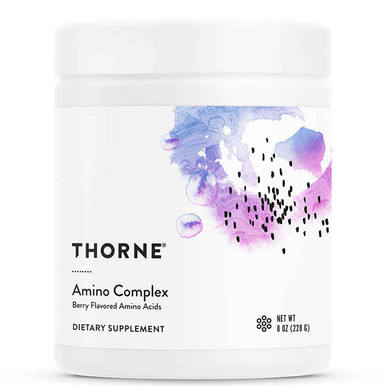
A leucine-forward essential amino acid blend. If you want the leucine and lysine described above in one scoop, Amino Complex - Berry Flavor by Thorne supplies all nine essential amino acids, including 1.25 g L-leucine, 650 mg L-lysine and 625 mg each of L-isoleucine and L-valine per 7.6 g scoop, to support muscle protein synthesis and lean muscle as part of a weight management routine. Thorne suggests 1 scoop in at least 8 ounces of water one to two times daily. It is NSF Certified for Sport, isn't for use during pregnancy or nursing, and contains phenylalanine, so people with PKU should check with their specialist first.
Amino Complex - Berry Flavor 8.1oz
$52.00
Amino Complex - Berry Flavor 8.1oz by Thorne – Muscle Support Essential Amino Acid Powder Amino Complex berry powder by Thorne is a berry-flavored blend… Click here to read more
Essential Amino Acids for Healthy Weight Loss
In the realm of weight loss, essential amino acids play a critical role in ensuring that your body is functioning optimally during periods of calorie restriction. These amino acids help preserve muscle mass, prevent muscle breakdown, and support overall recovery and repair processes within the body.
Moreover, essential amino acids can help regulate appetite and satiety, aiding in controlling food intake and reducing cravings. By maintaining a good balance of essential amino acids, you can support your weight loss efforts by promoting feelings of fullness and satisfaction, ultimately leading to better adherence to your dietary goals.
It's important to note that incorporating a variety of protein sources into your diet is key to obtaining all the essential amino acids your body needs. From animal-based proteins like poultry, fish, and dairy to plant-based sources such as legumes, quinoa, and tofu, diversifying your protein intake can ensure you're meeting your amino acid requirements for healthy weight loss.
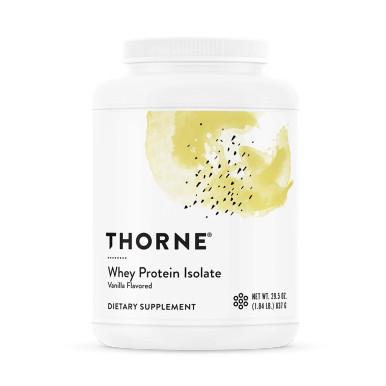
A dairy-based protein for calorie-conscious days. For an easy animal-based protein source while you trim calories, Whey Protein Isolate Vanilla by Thorne gives 21 g of protein per scoop with naturally occurring BCAAs, including leucine, at 100 calories, 0.5 g fat and 3 g carbohydrate, plus bromelain and papain to help with protein breakdown. It's made for active adults who want to maintain lean body composition; Thorne suggests 1 scoop in 8 ounces of water daily. Because it's made from milk whey, it isn't a fit for a dairy-free diet.
Whey Protein Isolate Vanilla 29.5 oz
$65.00
Thorne Whey Protein Isolate – Whey Protein Isolate Powder for Lean Muscle Support Whey Protein Isolate by Thorne is a clean, great-tasting whey protein isolate… Click here to read more
Amino Acid Supplements and Their Role in Weight Management
For individuals looking to optimize their weight management journey, amino acid supplements can offer a convenient and effective solution. These supplements provide a concentrated source of amino acids, allowing you to easily meet your daily requirements without having to rely solely on dietary sources.
Amino acid supplements can be particularly beneficial for individuals with increased protein needs, such as athletes, older adults, or those following a vegetarian or vegan diet. By carefully selecting high-quality supplements that align with your specific health and fitness goals, you can support your weight management efforts and overall well-being.
When considering amino acid supplementation, it's essential to consult with a healthcare provider or nutritionist to determine the right approach for your individual needs. By incorporating supplements thoughtfully and in conjunction with a balanced diet and regular exercise, you can harness the power of amino acids to enhance your weight management journey.
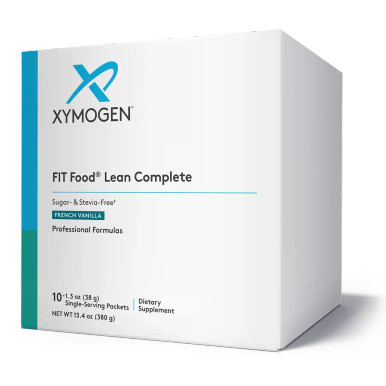
A plant-based option for vegetarian and vegan diets. If you avoid dairy or eat a vegan diet, FIT Food Lean Complete French Vanilla by Xymogen blends pea and rice protein for 15 g of protein per 35 g packet, along with 7 g of fiber, MCT oil, L-glutamine and taurine, to support healthy body composition and help you feel full. Mix one packet in 6 to 8 oz of cold water and use it as a snack or meal replacement, or as your practitioner directs. It is free of dairy, soy protein, gluten and artificial sweeteners.
FIT Food Lean Complete French Vanilla Sugar- & Stevia-Free 10 Serv
$47.99
FIT Food™ Lean Complete by Xymogen – Vegan Meal Replacement for Optimal Metabolism and Body Composition FIT Food™ Lean Complete by Xymogen is a premium… Click here to read more
The Impact of Amino Acids on Weight Management
As we wrap up our exploration of amino acids and their influence on weight management, it becomes clear that these tiny compounds hold significant power in our wellness journey. By incorporating a variety of amino acids into our diets and potentially supplementing when necessary, we can better support our bodies in reaching and maintaining a healthy weight. Remember, the key to effective weight management often starts at the cellular level with these fundamental nutrients.
These statements have not been evaluated by the Food and Drug Administration. This product is not intended to diagnose, treat, cure, or prevent any disease.
FAQs
How do amino acids support weight management?
Amino acids are the building blocks of protein. They help maintain lean muscle, which is more metabolically active than fat tissue, and protein-rich meals can help you feel full. Both can make it easier to stick with a balanced eating plan.
Which amino acids are essential?
Nine of the 20 amino acids are essential, meaning your body can't make them and they must come from food or supplements: leucine, isoleucine, valine, lysine, threonine, histidine, methionine, phenylalanine and tryptophan.
Why do people focus on leucine?
Leucine is one of the three branched-chain amino acids. Besides being part of new proteins, it helps signal muscle cells to start building protein. It works alongside the other essential amino acids rather than replacing them.
Can I get enough amino acids from food alone?
Most people can by eating a variety of protein foods such as poultry, fish, dairy, eggs, legumes, quinoa and tofu. A supplement or protein powder can help if your needs are higher, your appetite is low, or your diet limits certain protein sources.
What's the difference between an amino acid powder and a protein powder?
An essential amino acid powder such as Thorne Amino Complex supplies free-form amino acids with very few calories. A protein powder such as whey isolate or a pea and rice blend supplies whole protein, which your body breaks down into amino acids, along with some calories.
Are there plant-based protein options for vegetarians and vegans?
Yes. Blends of pea and rice protein, such as Xymogen FIT Food Lean Complete, combine sources so the amino acid profile is more complete than either one alone. Legumes, quinoa and tofu are good whole-food options.
Who should check with a practitioner before using amino acid supplements?
Talk with your healthcare practitioner first if you're pregnant or nursing, take prescription medications, or have a health condition. People with PKU should avoid formulas with phenylalanine unless their specialist approves.