Choosing the Right Collagen Supplements for Your Health Goals
Table of Contents
Embarking on a journey to better health often leads us to consider collagen supplements. These products have gained popularity for their potential benefits in supporting skin, joint, and overall health. Understanding the different types available and selecting the right one can be a daunting task. In this guide, we will explore the world of collagen supplements to help you make an informed choice that aligns with your health goals.
Understanding Collagen: The Building Block of Your Health
Collagen is the most abundant protein in our bodies, acting as a foundational component for skin, bones, muscles, and tendons. It provides structure, strength, and elasticity, playing a crucial role in maintaining healthy skin and supporting joint function.
As we age, our natural collagen production declines, leading to visible signs of aging like wrinkles and sagging skin, as well as joint stiffness. This decline has sparked interest in collagen supplements as a way to replenish and support the body's collagen levels.
Collagen supplements come in various forms, including powders, pills, and drinks, each offering specific benefits. Hydrolyzed collagen, also known as collagen peptides, is a popular choice due to its easy absorption and bioavailability.
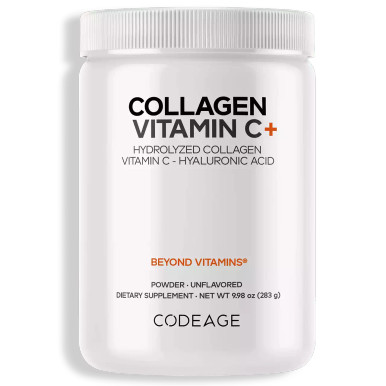
A hydrolyzed collagen powder. If you prefer collagen supplements you can stir into a drink, a peptide powder is a simple place to start. Collagen Vitamin C 283g by Codeage supplies 20,000 mg of hydrolyzed bovine collagen per scoop, plus 100 mg of vitamin C, which helps the body form its own collagen, and 120 mg of hyaluronic acid. Adults mix 1 scoop daily into 8 ounces of water, coffee or a smoothie; it is unflavored and is not a complete protein or meal replacement.
Collagen Vitamin C 283g
$29.99
Collagen Vitamin C 283g by Codeage – Connective Tissue Support Collagen Powder Collagen Vitamin C powder by Codeage is an unflavored, bovine-derived supplement that combines… Click here to read more
Navigating the Types of Collagen Supplements Available
When choosing a collagen supplement, it's essential to consider the type of collagen it contains. Type I collagen is most prevalent in the skin, while type II is crucial for joint health. Multi-collagen blends that combine different types offer comprehensive benefits.
Collagen types at a glance:
| Type | Where it's mainly found | Often chosen for | Common supplement sources |
|---|---|---|---|
| Type I | Skin, bones and tendons | Skin and general connective tissue | Bovine, marine |
| Type II | Joint cartilage | Joint comfort and flexibility | Chicken sternal cartilage |
| Type III | Skin and blood vessels, usually alongside type I | Skin | Bovine, marine |
Additionally, source matters in collagen supplements. Marine collagen derived from fish sources is known for its high absorbability. Collagen itself comes only from animal sources, so people who avoid animal products often choose plant-based "collagen support" formulas instead, which supply nutrients such as vitamin C that help the body make its own collagen.
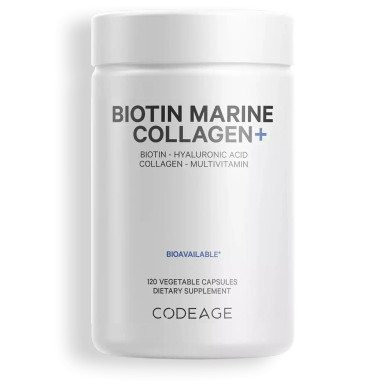
A marine option in capsules. For adults who want fish-sourced collagen supplements without mixing a powder, Biotin Marine Collagen 120c by Codeage provides 2,000 mg of type I and III marine collagen peptides per 4-capsule serving, with 10,000 mcg of biotin, vitamins C and E, and hyaluronic acid. Take 4 capsules daily with water, with or without food. It contains fish, and because of the biotin, tell your healthcare provider you take it before any lab test.
Biotin Marine Collagen 120c
$34.99
Biotin Marine Collagen 120c by Codeage – Collagen Formation and Skin Nutrition Capsules Biotin Marine Collagen capsules by Codeage combine fish-derived collagen peptides with biotin,… Click here to read more
Consider your specific health goals when selecting a collagen supplement. If you're targeting skin health, opt for a type I collagen supplement. For joint support, look for type II collagen or multi-collagen blends designed to promote overall joint function.
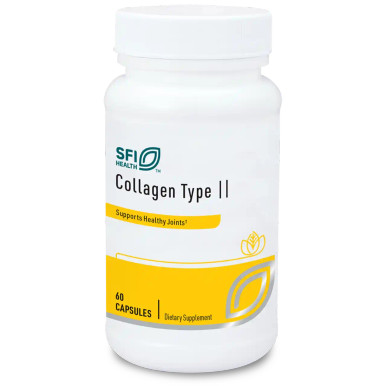
A type II formula for joints. If joint comfort is your main goal, look for collagen supplements built around type II collagen. Collagen Type II 500mg 60c by SFI Health uses BioCell Collagen®, a chicken sternal cartilage extract that naturally contains hydrolyzed type II collagen, chondroitin sulfate and hyaluronic acid, to support joint flexibility and skin elasticity. Adults take 2 capsules, 1 to 2 times daily; check with your physician first if you are pregnant, nursing, under 18 or taking prescription medication.
Collagen Type II 500mg 60c
$40.99
Collagen Type II 500mg 60c by SFI Health – Joint and Skin Support Collagen Supplement Collagen Type II capsules from SFI Health provide a chicken-derived… Click here to read more
It's important to choose high-quality collagen supplements from reputable brands to ensure efficacy and safety. Look for products that are third-party tested, free from harmful additives, and ideally, backed by scientific research supporting their benefits.
How to Read a Collagen Label
Once you know which type and source you want, the label tells you whether a product delivers it. Start with the amount per serving. Powders often list collagen in grams, while capsules list milligrams and may need three or four capsules to reach one serving, so compare the full serving rather than a single capsule.
Next, check how the collagen is described. Words like "hydrolyzed" or "peptides" mean the protein has already been broken into smaller pieces. The label should also name the collagen type and its source, such as bovine, marine, chicken or egg shell membrane. That source matters for allergies and diet: a fish-based product isn't a fit for someone avoiding fish, and a vegetarian capsule shell doesn't make the contents vegetarian.
Look at what else is in the formula, too. Many products add vitamin C, which the body needs to form collagen, or hyaluronic acid, a water-binding substance found naturally in skin and connective tissue. If a label lists a "proprietary blend," the individual amounts may not be disclosed, which makes side-by-side comparisons harder. A seal from an independent testing program is another useful sign that the product has been checked for quality.
Quick label checklist:
- Collagen amount per full serving, in grams or milligrams
- The collagen type or types, such as I, II or III
- The source: bovine, marine, chicken or egg shell membrane
- "Hydrolyzed" or "peptides" if you want collagen that is already broken down
- Added nutrients, such as vitamin C or hyaluronic acid
- Allergen statements, such as fish or egg
- Whether individual amounts are disclosed or hidden in a proprietary blend
- A seal from an independent testing program
Tips for Taking Collagen Every Day
Consistency matters more than timing. Pick a form you'll actually use: an unflavored powder can be stirred into coffee, tea or a smoothie, while capsules suit people who don't want to mix anything. Follow the serving directions on the label and don't exceed the recommended amount. It can also help to stick with one product for several weeks before judging how it fits your routine, rather than switching between formulas.
Keep in mind that collagen is not a complete protein, because it lacks the essential amino acid tryptophan. It works best as an addition to a balanced diet that already includes protein from foods like fish, eggs, poultry and legumes, along with vitamin C from citrus fruit, berries and bell peppers.
Finally, check with your healthcare provider before starting if you are pregnant or nursing, have a medical condition or take prescription medication.
Comparing the Three Collagen Formulas
Here is how the three products featured in this guide line up side by side.
| Product | Form | Collagen type and source | Collagen per serving | Suggested use | Good fit for |
|---|---|---|---|---|---|
| Collagen Vitamin C 283g (Codeage) | Unflavored powder | Hydrolyzed bovine collagen | 20,000 mg per scoop | 1 scoop daily in 8 oz of a beverage | People who like mixing collagen into drinks |
| Biotin Marine Collagen 120c (Codeage) | Capsules | Marine (fish) collagen peptides, types I and III | 2,000 mg per 4 capsules | 4 capsules daily | Adults who want fish-sourced collagen in capsules |
| Collagen Type II 500mg 60c (SFI Health) | Capsules | BioCell Collagen® from chicken sternal cartilage, with type II collagen | 1,000 mg BioCell Collagen per 2 capsules | 2 capsules, 1 to 2 times daily | Adults focused on joint flexibility |
In conclusion, selecting the right collagen supplement is a personalized decision based on your health objectives and preferences. By understanding the types of collagen available, considering your specific needs, and choosing a reputable product, you can find collagen supplements that fit your goals, whether you want to support skin elasticity, joint function or overall wellness.
These statements have not been evaluated by the Food and Drug Administration. This product is not intended to diagnose, treat, cure, or prevent any disease.
FAQs
What is the difference between type I and type II collagen?
Type I collagen is the main type found in skin, while type II collagen is found mainly in the cartilage of joints. People focused on skin often choose a type I formula, and people focused on joint comfort and flexibility often look for type II.
What does hydrolyzed collagen mean?
Hydrolyzed collagen, also called collagen peptides, has been broken into smaller protein pieces before you take it. Digestion breaks it down further into peptides and amino acids that the body uses as building blocks for its own proteins.
Why do some collagen formulas include vitamin C?
Your body needs vitamin C to form and stabilize its own collagen, and it cannot make vitamin C itself. Formulas such as Collagen Vitamin C 283g by Codeage pair collagen with 100 mg of vitamin C for that reason.
Is marine collagen different from bovine collagen?
Marine collagen comes from fish and bovine collagen comes from cows. Both supply collagen-derived amino acids. Your choice often comes down to diet and allergies: marine products such as Biotin Marine Collagen 120c contain fish, so they are not suitable for anyone avoiding fish.
Are there vegetarian or vegan collagen options?
Collagen itself comes from animal sources, so true collagen is not vegetarian or vegan, even when it is sold in a vegetarian capsule shell. Plant-based products labeled as collagen support usually provide nutrients such as vitamin C that help the body make its own collagen.
Who should check with a healthcare provider before taking a collagen product?
Talk with your healthcare provider first if you are pregnant or nursing, under 18, have a medical condition or take prescription medication. If your product contains high-dose biotin, tell your provider before any lab test, since biotin can affect some results.